Critical Shifts:
-
The 110-Million Vehicle "Sweet Spot": With the average vehicle age rising, nearly 38% of the U.S. fleet now falls into the 6-to-14-year-old range. This "aftermarket sweet spot" represents a massive group of owners looking to preserve their aging vehicles rather than trade them in.
-
From Cost Center to Profit Center: The car detailing market is projected to reach $65.49 billion by 2032. Dealers can capture this growth by evolving their internal "recon" bays into customer-facing profit centers offering high-margin services like ceramic coatings, PPF, and subscription-based maintenance plans.
-
The Utility Vehicle Advantage: As passenger cars are scrapped at twice the rate of new registrations, the fleet is increasingly dominated by light trucks and SUVs. These larger vehicles command higher detailing service fees, providing a natural boost to revenue per bay-hour.
________________________________________________________
For years, the detailing bay at most independent dealerships has been hidden in the back, viewed strictly as a cost center—a necessary hurdle to get a trade-in frontline-ready before moving on to the next deal. However, a perfect storm is brewing in the automotive market as the average age of vehicles on U.S. roads has reached 12.6 years and climbing, according to data from S&P Global Mobility.
With this older fleet staying on the road, the car detailing market is on track to hit $65.49 billion by 2032. This shift allows savvy dealers to transform their detailing bays from cost centers into front-facing profit centers as consumers choose preservation over replacement. To keep your detailers locked in the back only doing reconditioning is to miss out on the biggest aftermarket opportunity in a decade.
Capitalizing on the "Aftermarket Sweet Spot"
The U.S. vehicle fleet has surged to 286 million vehicles, but the composition of those vehicles is changing. Todd Campau, aftermarket practice lead at S&P Global Mobility, points out that the "sweet spot" for service—vehicles between 6 and 14 years old—now accounts for more than 110 million units.
By 2028, this age bracket is expected to represent 40% of the fleet. For a used car dealer, this is your primary customer base. These owners are:
-
Holding onto cars longer: Due to the high cost of new inventory and post-COVID supply chain ripples.
-
Investing in preservation: When a customer realizes they’ll be driving their current car for another five years, "protection" moves from a luxury to a necessity.
-
Seeking a "New Car" feel: Professional detailing is the most cost-effective way for a consumer to refresh a 10-year-old vehicle.
Beyond the Recon: Turning the Bay into a Profit Center
The detailing industry is evolving beyond a simple wash. The Maximize Market Research report highlights a shift toward premiumization and subscription models. By pivoting your recon department into a customer-facing "Auto Spa," you tap into high-margin opportunities:
-
Ceramic Coatings & PPF: With the average vehicle age rising, owners are increasingly seeking Paint Protection Film (PPF) and Ceramic Nano Coatings to stop the clock on wear and tear.
-
The Subscription Revolution: Modern car buyers are moving toward monthly maintenance packages. Offering a detailing subscription at the time of sale creates recurring revenue and keeps the customer tethered to your lot for their next purchase.
-
Niche EV Care: While the average EV is currently younger (3.5 years), registrations topped 1 million last year. As adoption slows and the average EV age begins to rise, specialized detailing for these tech-heavy "utility vehicles" will become a major differentiator.
The Shift to Light Trucks and Utilities
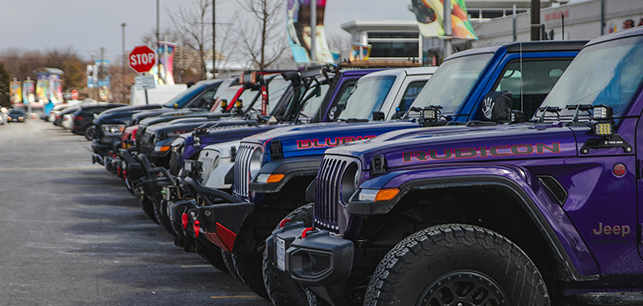
The fleet's composition is also shifting physically. Since 2020, passenger cars have been scrapped at twice the rate of new registrations, while light trucks and SUVs have seen massive growth.
Larger vehicles mean larger ticket prices for detailing. An SUV requires more labor, more product, and offers more surface area for high-margin coatings. If your shop is still priced for the sedans of 2010, you are missing out on the "utility" boom.
Strategic Takeaways for Independent Dealers
As scrappage rates hold steady and the volume of older vehicles grows, the independent dealer is uniquely positioned to become a "Vehicle Preservation Center."
-
Market to the "6-14" Crowd: Don't just target people who bought a car last month. Target the customers who bought from you five years ago. They are now in the prime "aftermarket sweet spot."
-
Go "Green" to Stay Lean: The market is moving toward waterless wash systems and eco-friendly products. These not only appeal to millennials but often reduce the regulatory headache of water runoff management on your lot.
-
Productize the "New Car Feel": Package your high-end detailing as an "Ownership Extension" service.
The Bottom Line: The U.S. fleet is getting older, and owners are getting more protective. The dealerships that will thrive in the next decade are those that stop viewing detailing as a chore to be hidden in the back, and start viewing it as a $65 billion opportunity sitting right on their front line.