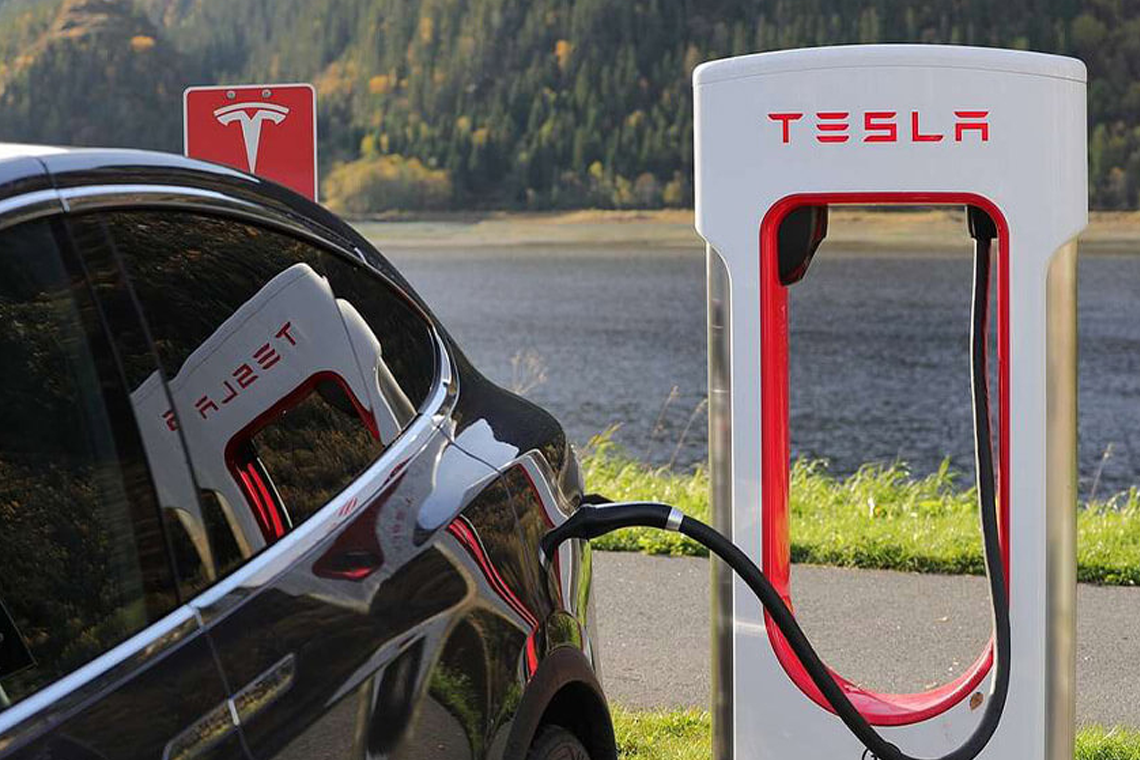
Black Book’s Q4 2025 Brand Value Index (BVI) captures a market defined by widening gaps in brand-driven resale performance. Tesla reclaims the mainstream lead from Honda and Toyota, benefiting from steadier EV premiums and persistent consumer trust despite pricing volatility. Subaru and GMC remain positive, while Kia and Mazda edge upward. In contrast, Jeep, Ram, and Volkswagen see sharp declines, and VinFast again anchors the bottom of the rankings as its resale values lag far behind established rivals.
Among premium brands, Porsche strengthens its hold on the top spot, with Rivian and INEOS rounding out a high-performing trio that blends EV innovation and rugged luxury appeal. Lexus stays positive but shows signs of cooling momentum, while Lucid and Lincoln deliver the largest quarter-over-quarter improvements amid tighter inventories and rising buyer interest. At the lower end, Alfa Romeo, Infiniti, and Jaguar continue to underperform. Overall, Q4’s results highlight a market rewarding brands with disciplined supply, strong identity, and proven durability as the industry heads into 2026.
Black Book’s Q4 2025 BVI report also measured year-over-year improvements and declines. Among mainstream brands, Tesla, Honda, Mazda, and Kia showed the largest improvements in brand value, while Rivian, Lucid, Lincoln, and BMW were the most improved luxury brands compared to Q4 2024. On the negative side, Mitsubishi, Dodge and Mini currently trail the industry average by the largest amount among mainstream car brands. Alfa Romeo, Infiniti, and Jaguar represent the lowest-performing luxury brands. In terms of largest year-over-year BVI declines, Jeep, Ram, and VW were the poorest-performing mainstream brands, while Polestar, Maserati, and Volvo showed the largest declines among luxury brands.
“The BVI shows what consumers are willing to pay for a used vehicle from a particular brand relative to the segment average of competitive vehicles within that segment made by other brands,” said Eric Lyman, Black Book Vice President of Auto Finance. As a result, the Black Book BVI can be used to compare one brand’s resale value standing against another. For example, the BVI for Lexus (+5.5) is 13.8 points higher than for BMW (- 8.3). That difference represents the percentage gap in sales-weighted used-vehicle transaction prices for those brands. This methodology also illustrates why Tesla values remain relatively strong, despite the consumer controversy surrounding Elon Musk’s involvement in US politics and resulting sales skid. Compared to the relative decline of electric-vehicle residual values from volume brands that sell both EVs and internal-combustion cars, Tesla’s have declined less. “There is a lot of volatility among the EV-only players,” Lyman said. “This is seen in the strong showings by Tesla, Rivian, but the weaker results from Polestar and Lucid.”