Critical Shifts:
-
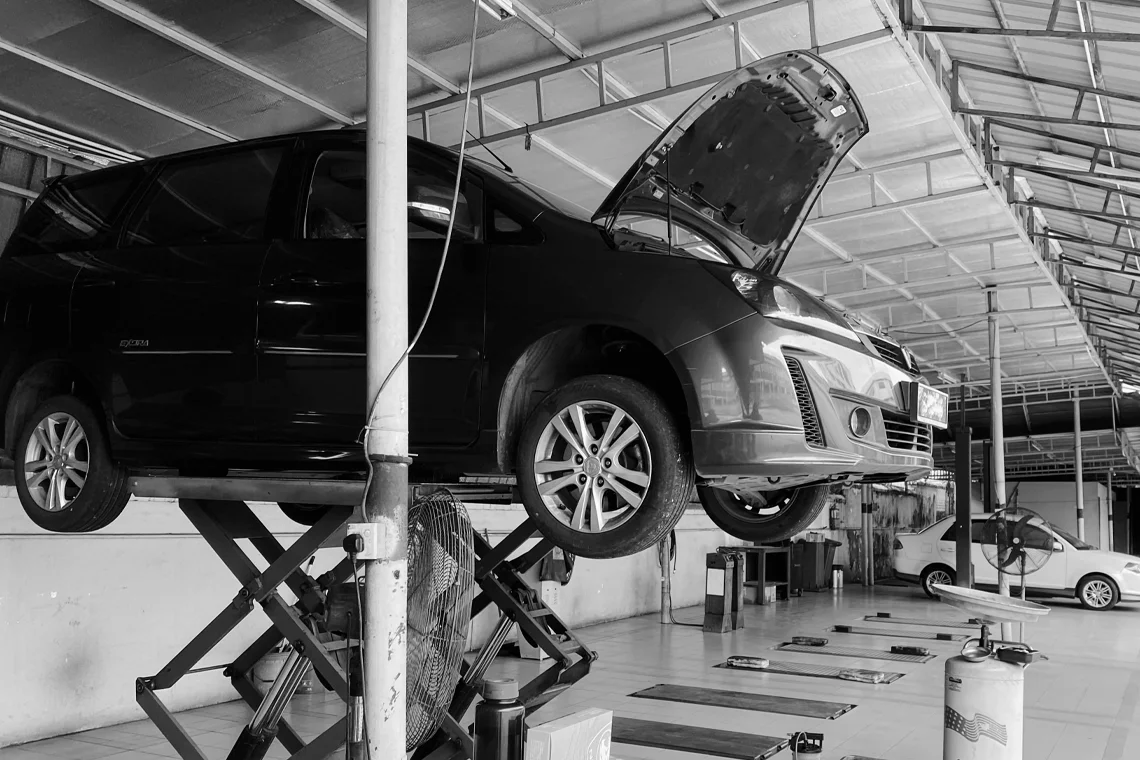
In-Shop Precision Over Mobile Convenience: While mobile PDR is a staple for lot maintenance, in-shop dent repair provides the controlled lighting and specialized tooling necessary to fix complex creases that mobile setups often miss, ensuring a factory-like finish that holds up under buyer scrutiny.
-
Margin Protection via "The Eye Test": Cosmetic imperfections serve as a psychological "green light" for buyers to negotiate lower prices; professional reconditioning removes these friction points, allowing dealers to hold firm on their asking prices and protect front-end gross.
-
ROI-Driven Reconditioning: The cost of high-quality PDR is consistently lower than the price reductions demanded by shoppers for visible damage. For high-margin or premium used units, investing in shop-based repairs offers a superior return on investment compared to quick, outdoor fixes.
______________________________________________________
As the used car market tightens, independent dealers are looking for every possible edge to protect front-end gross. Our latest deep dive into high-ROI reconditioning strategies highlights why used car inventory management, paintless dent repair (PDR), and vehicle resale value are becoming the triple threat of successful dealership operations in 2026.
Why "Good Enough" Recon is Costing You Money
In a newly released industry report via HelloNation, experts Mike and Alex Wickham of Dent Vanish Atlanta are challenging the industry standard of "lot-side" mobile repairs. For years, used car managers have relied on mobile PDR for its convenience, but the data suggests that for high-line units or vehicles with complex body lines, in-shop dent repair is the superior play for maximizing the "eye-test" premium.
The In-Shop vs. Mobile Debate
While mobile units are a staple of used car reconditioning, they face significant hurdles that can lead to subpar finishes:
-
Controlled Lighting: In-shop technicians utilize specialized LED arrays to catch micro-imperfections that are invisible in outdoor sunlight.
-
Specialized Tooling: Complex creases and reinforced panels often require heavy-duty bracing and a wider range of tools that mobile vans simply can't house.
-
First Impression Psychology: Buyers may not be able to point out a "decent" repair, but they can instinctively feel a "perfect" one. Smooth panels and factory-spec reflections signal a well-maintained vehicle, reducing a buyer's leverage to negotiate down.
The Math of Margin Protection
The report underscores a critical reality for used car sellers: the cost of a professional in-shop PDR service is almost always lower than the price hit a dealer takes when a buyer spots a "minor" flaw. In an era where 54% of shoppers are looking at your inventory after-hours and under high-definition digital lights, cosmetic perfection is no longer optional.
"The cost of paintless dent repair is often less than the price reduction a buyer might demand when dents are visible. Fixing dents before listing helps support asking prices and signals quality care."
Strategic Takeaways for Dealers:
-
Audit Your Front-Row Units: Evaluate if your current mobile PDR provider is leaving money on the table by missing body lines or creases.
-
Focus on the ROI: Prioritize in-shop repairs for vehicles where the projected margin justifies the extra transport time.
-
Reduce Negotiation Friction: A dent-free car removes the most common "low-ball" entry point for savvy used car shoppers.
For dealers in competitive markets like Atlanta or Kennesaw, switching to a shop-based PDR model for premium inventory isn't just about aesthetics—it’s a disciplined move to accelerate inventory turn and protect every dollar of margin.