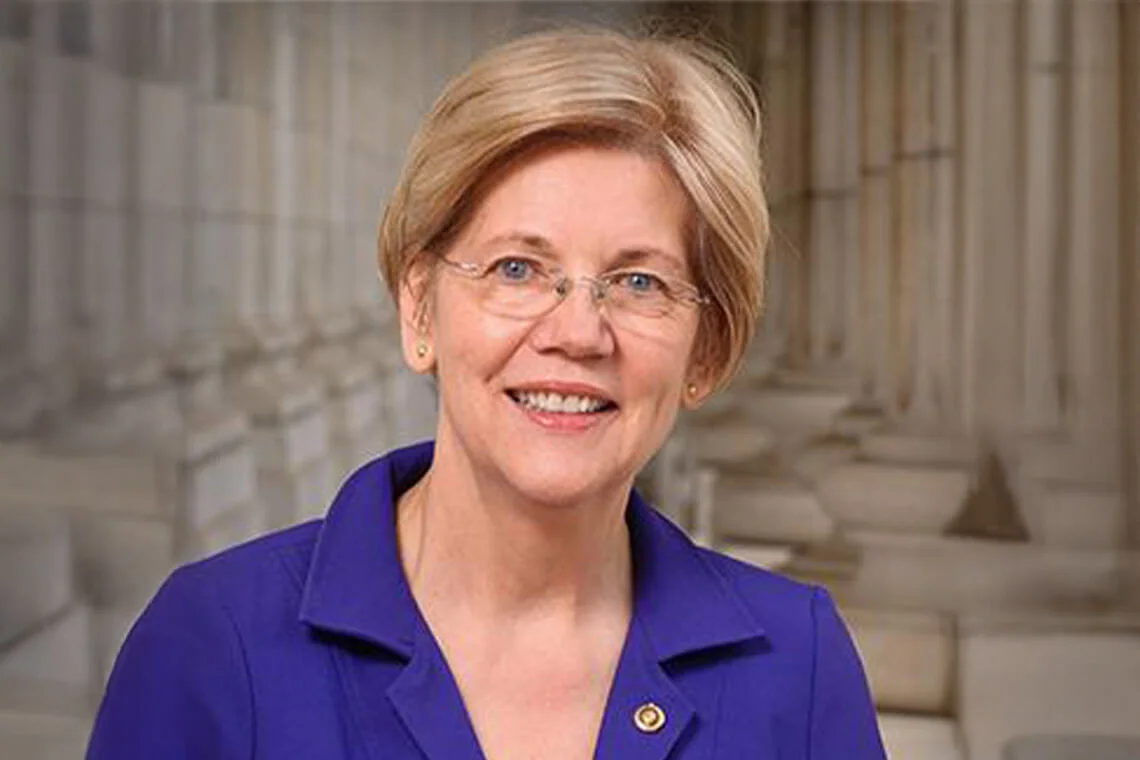
U.S. Senator Elizabeth Warren (D-Mass.), Ranking Member of the Senate Banking, Housing, and Urban Affairs Committee, continued her probe into the auto lending and repossession industries to seek information on why major auto lenders are charging military service members higher interest rates on car loans.
Ranking Member Warren on March 13 sent letters to the five biggest auto lenders, seeking data about alleged loan practices towards service members at a time when auto repossessions have skyrocketed to levels not seen since the 2008 financial crisis, while citing that the Trump Administration has sidelined the Consumer Financial Protection Bureau – the agency that would normally be investigating these issues.
“A recent report showed that between 2018 and 2022, service members with comparable credit scores to civilians were paying interest rates that were on average 0.35 percentage points higher when purchasing new cars and 0.28 percentage points higher when purchasing used cars,” wrote Warren. ”If a service member has more debt than they can afford, the ramifications can include loss of security clearance, loss of opportunities to serve overseas, fewer career opportunities, or reduced career advancement.”
“Furthermore, there has been an unfortunate history of allegations that unscrupulous auto dealers and lenders have taken advantage of service members through fraud, deceit, scams, and unlawful practices,” wrote Warren.
The Senator asked the recipients to provide information on the price and term differences between loans made to service members versus non-service members, recipients’ interactions with service members seeking auto loans, and what actions are needed to support service members seeking affordable, fair auto loans.
Warren requested written responses to these questions no later than March 24, 2026.
In response, NIADA reminds dealers that servicemembers enjoy certain protections under both the Military Lending Act and the Servicemembers Civil Relief Act. Under the Servicemembers Civil Relief Act, creditors must reduce the interest rate on debts to 6 percent for liabilities incurred before the borrower entered active duty, including car loans. That protection applies to National Guard and reserve members who may be called for active duty.
Careful consideration of a borrower’s status should be made to ensure you are not violating these protections, NIADA wrote to its members. Lenders and auto dealers alike may face increased attention as lawmakers and regulators examine whether servicemembers are receiving fair and equitable treatment in the auto lending marketplace. The CFPB’s supervisory and enforcement priorities under the Trump administration include providing redress to service members, their families and veterans.