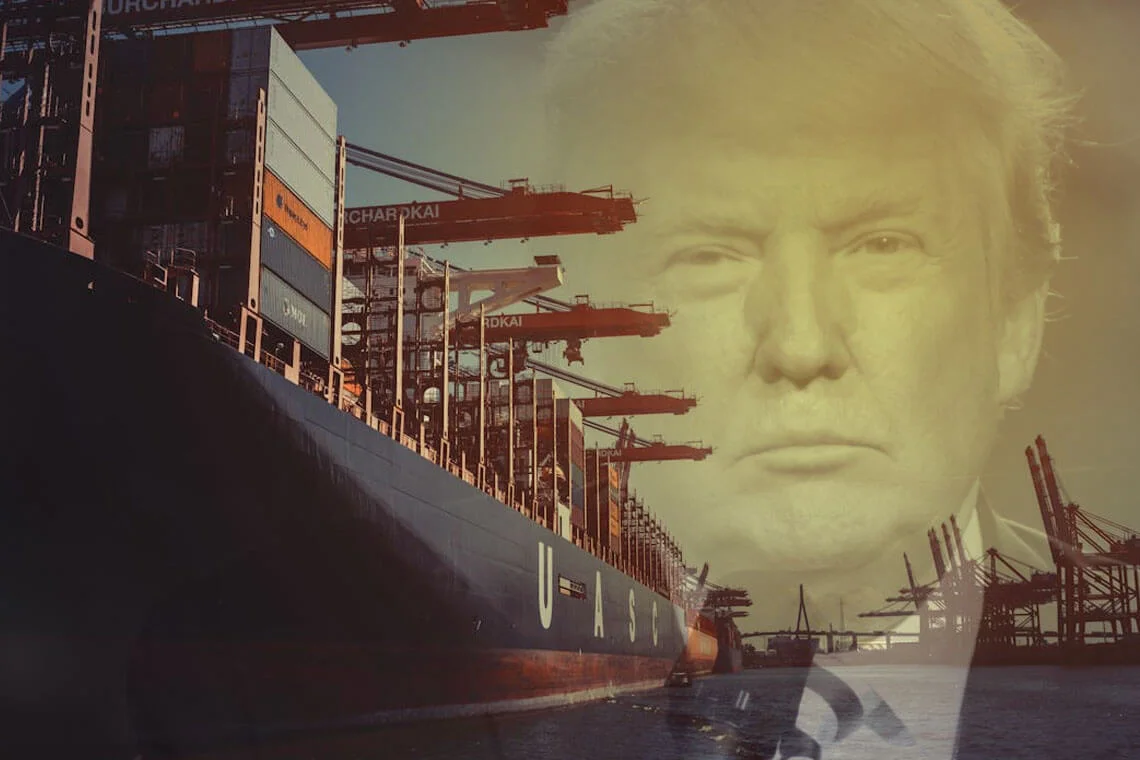
Following the U.S. Supreme Court’s ruling that the International Emergency Economic Powers Act (IEEPA) doesn’t provide the executive with authority to impose tariffs, the Trump administration has announced it will impose a 10% or 15% global tariff (with exemptions) for 150 days.
In doing so, it’s using Section 122 of the Trade Act of 1974. S&P Global Ratings expects this should keep effective tariff rates near year-end 2025 levels and support continued tariff revenue generation.
Fiscal outcomes, however, will ultimately reflect overall revenue robustness and spending execution.
The fiscal position is the main sovereign credit weakness for the U.S. (AA+/Stable/A-1+), but, in our view, it’s supported by economic resilience, institutional strengths such as credible monetary policy and generally effective checks and balances, and the flexibility afforded by the U.S. dollar’s reserve currency status.
Since assuming office, the Trump administration has raised trade tariffs to an effective rate of around 15% in 2025 from 2.5% in 2024.
The process, however, has not been even: tariff rates have been raised, lowered, and retracted; various goods or sectors were exempted; and some trade deals with partners were concluded, while others are in process. In addition, the administration’s reliance on IEEPA, beyond previously used trade authorities such as Sections 232 and 301, was challenged in the court system. Despite the uncertainty, the administration remains, in our view, committed to relying on comparatively high tariffs--whether to address trade imbalances or achieve various policy objectives (including meaningful fiscal revenue).
S&P Global doesn’t expect IEEPA tariffs can or will be replicated precisely.
Sector- and country-specific rates will likely be revised and subject to uncertainty. And prior and upcoming trade deal negotiations may be more complicated.
S&P Global projects the U.S. fiscal deficit to be around 6% of GDP over the next few years and net general government debt to trend toward 100% of GDP.
“With the current policy pivot, we continue to assume meaningful tariff revenue will help offset weaker fiscal outcomes that might otherwise be associated with the 2025 reconciliation fiscal legislation. That legislation contained both cuts and increases in taxes and spending. The resilience of overall revenue--tariff and nontariff related – and spending execution will determine the deficit path.”