Auto auctions remain an important source of inventory for independent dealers, but the economics of buying wholesale have become harder to ignore. Competitive bidding, buyer fees, transportation and the cost of carrying inventory can quickly eat into the margin on a vehicle.
That is why some dealers are looking closer to home.
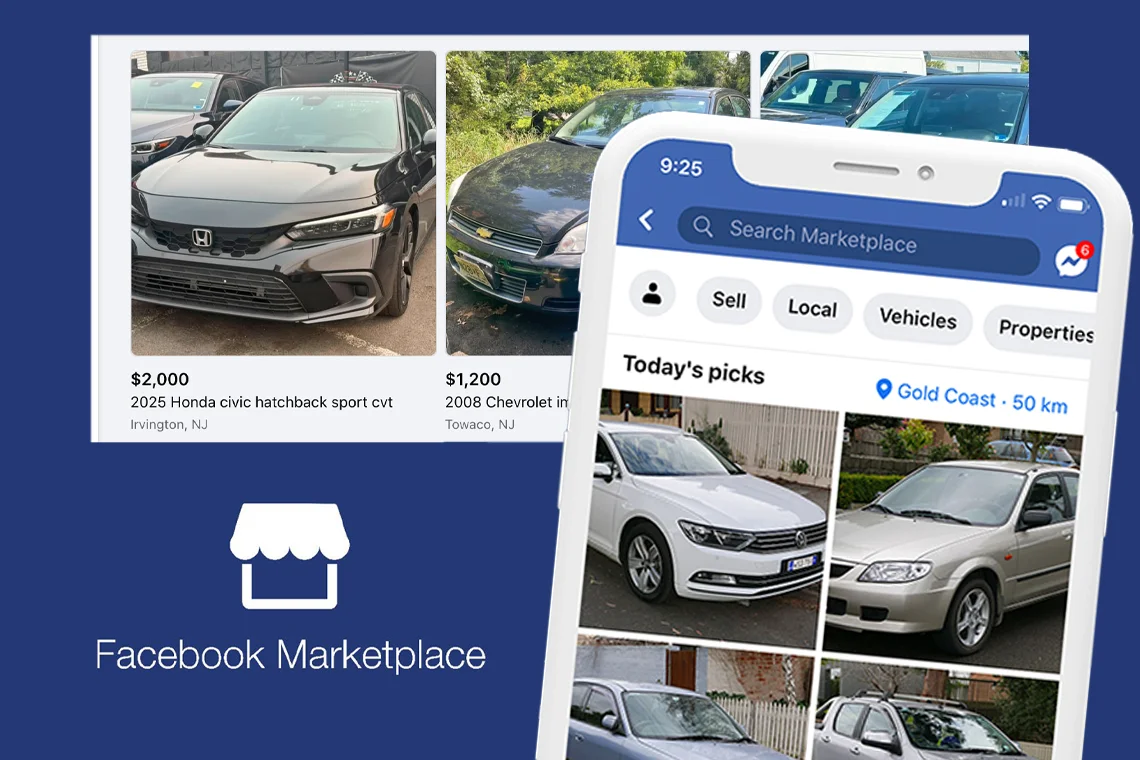
Facebook Marketplace can give dealers direct access to consumers who are already trying to sell the vehicles they own. The opportunity isn't simply to find a car listed below market value. It is to build a repeatable process for identifying the right vehicles, contacting owners and making the dealership a better alternative to a private-party sale.
Know What You're Looking For
Before searching Marketplace, dealers should establish what they want to buy. That means knowing which makes and models sell well, acceptable mileage and age ranges, target acquisition prices and how much recon risk the dealership is willing to take.
Without those parameters, buyers can spend hours chasing vehicles that don't fit the dealership's inventory strategy.
Make Marketplace a Daily Process
A successful PPA program needs someone responsible for monitoring listings and responding to potential sellers. A buyer or BDC representative can search locally, identify vehicles that fit the dealership's criteria and move quickly when a good opportunity appears.
Technology can help with appraisals, pricing and lead management, but the process doesn't have to be complicated. The key is speed and consistency.
And skip the generic "Is this still available?" message.
The message should be simple: We're a local dealership, we're interested in your vehicle, and we can make the selling process easy.
The dealer can offer an inspection, a straightforward offer and a transaction handled through the dealership rather than asking the seller to deal with strangers, negotiate repeatedly or wait for the right buyer.
The objective of the first message isn't necessarily to close the deal. It is to start a conversation.
Sell Convenience
Private sellers want a good price, but selling a vehicle privately can be a hassle. They deal with endless messages, lowball offers, strangers wanting test drives and the uncertainty of finding a legitimate buyer.
That's where a dealer has an advantage.
A dealership can offer a professional appraisal, handle the paperwork and lien payoff when applicable, and provide a straightforward transaction. In some cases, the dealership can even arrange a convenient location for the inspection.
The pitch isn't just "we'll buy your car." It's "we'll make selling your car easy."
Don't Buy the Listing
A Marketplace listing is only the starting point. Photos and a seller's description don't tell the dealership everything it needs to know.
Before making a final offer, verify the VIN, mileage, title and ownership and review available vehicle-history information. The vehicle should also receive a proper physical inspection to identify mechanical problems and estimate recon.
The dealer's number should be based on the total acquisition cost, not simply whether the seller's asking price looks attractive.
Watch for Red Flags
Buying directly from consumers also creates risks that require a disciplined verification process.
Before issuing funds, the dealership should verify the seller's identity and ownership, confirm that the VIN matches the vehicle and paperwork, and check for outstanding liens and title issues. Vehicle-history reports can help identify reported accidents, title problems and other warning signs, but they should be part of a broader inspection and verification process.
Dealers should also watch for curbstoners—individuals who repeatedly sell vehicles while presenting themselves as private owners. Multiple vehicles for sale, inconsistent ownership information, questionable documentation or a seller who cannot clearly establish ownership should trigger additional scrutiny.
A low asking price should never override the dealership's acquisition standards.
Track the Results
If Marketplace becomes a regular acquisition source, measure it like one.
Track seller contacts, responses, appraisals, offers, purchases, acquisition costs, recon expenses and eventual gross profit. Comparing those numbers with auction purchases will show whether Marketplace is actually producing better inventory economics.
Facebook Marketplace won't replace auctions. But for an independent dealer, it can become another lane for finding local inventory—and one where the dealership isn't competing against an entire auction lane for the same vehicle.
The dealers who make PPA work won't simply be the ones finding cars on Marketplace. They'll be the ones with a disciplined process for finding the right cars and turning sellers into acquisitions.