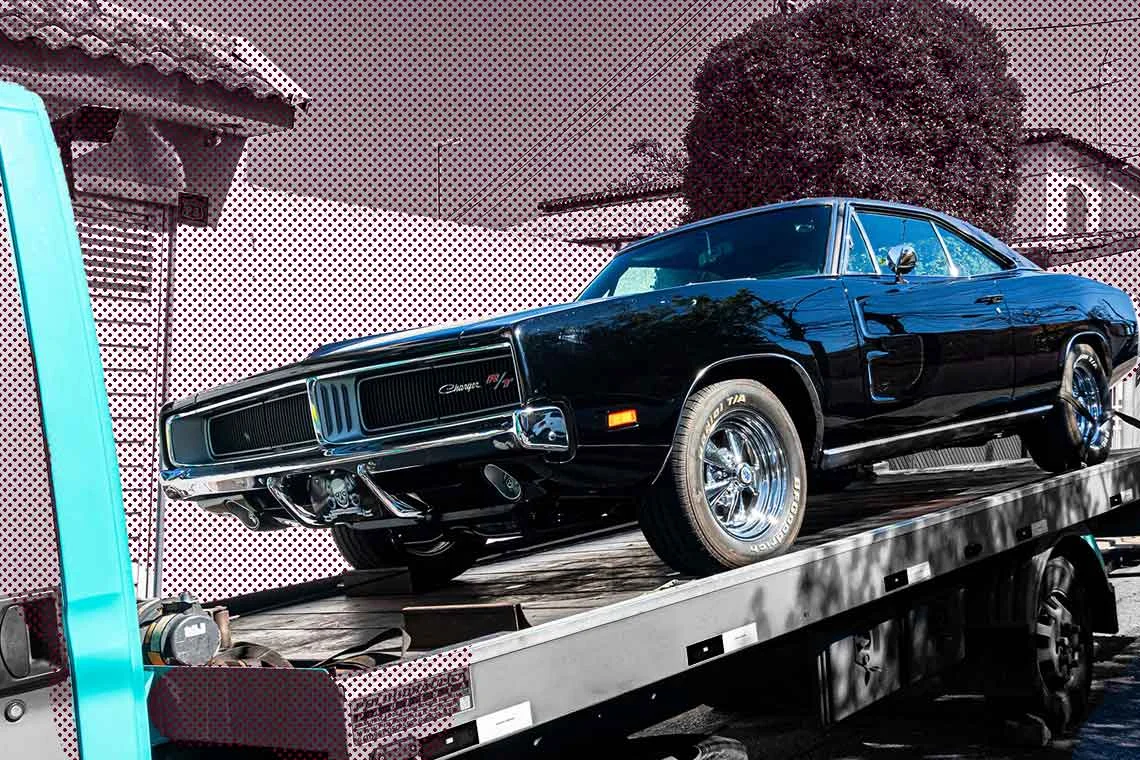
A missed payment is one thing. A customer who believes a payment was overlooked, a repossession was mishandled or personal belongings were lost is a different kind of problem. For buy-here-pay-here dealers, those situations can turn a routine collections issue into a confrontation that threatens the customer relationship and the dealership's reputation.
A September incident at CarWise Auto Sales in Wilmington, North Carolina, illustrates how quickly a dispute can escalate. Three dealership employees were arrested on misdemeanor simple-assault charges following a Sept. 8 altercation with customers. Keiona and Johnny Green were also reportedly charged in connection with the incident, according to WWAY.
The dispute drew attention after video circulated online. The Greens alleged that payments made through Cash App had not been credited and that personal belongings left in their repossessed Nissan Pathfinder were discarded or damaged. CarWise said the clips circulating online did not show the full incident and that it had provided its complete surveillance footage to authorities. The competing accounts remain allegations, and the charges do not establish guilt.
The case raises a question for BHPH operators: how do you handle a customer who believes the dealership has treated them unfairly, particularly when the conversation is already heated?
Difficult conversations are part of collections
Bill Elizondo, a collections trainer with more than 30 years of experience in subprime and BHPH operations, addressed the challenge during NIADA collections-management training. A December 2023 NIADA report described Elizondo using role-play exercises to put collections professionals through difficult scenarios, including complaints about vehicle repairs and a customer arriving at closing time to surrender a vehicle.
“Don’t think it’s personal,” Elizondo told the group.
That advice gets at a difficult distinction in collections. A customer may be angry with the dealership, but the immediate objective is to understand what is driving the confrontation and determine whether the account can still be resolved. Taking the customer's frustration as a personal attack can make it harder to hear what is actually being said.
Elizondo emphasized listening to customers' circumstances, noting that they sometimes disclose problems affecting their ability to pay before the dealership recognizes the warning signs. A customer who has become difficult to reach, for example, may be dealing with a financial disruption that has not yet been explained. Another may be disputing the account itself rather than simply asking for more time.
Those situations call for different conversations. A customer who cannot make a scheduled payment may need to discuss realistic timing. A customer who believes a payment was not credited needs the transaction reviewed. Someone who disputes the handling of a repossession may have concerns that cannot be resolved by repeating the outstanding balance.
Elizondo's use of role-playing is especially relevant here. Difficult encounters are predictable enough to practice, even if the details of the next dispute are not. Working through a scenario in advance gives collectors an opportunity to consider how a conversation can go wrong, recognize when it is no longer productive and understand when a manager needs to take over.
The goal is not to give every customer what they ask for. It is to separate the underlying account problem from the emotion surrounding it, so the dealership can make a decision based on the facts rather than the temperature of the conversation.
Flexibility can be a business decision
Justin Browning, president of Browning's Reliable Cars & Trucks in Wichita Falls, Texas, has described how his dealership works with customers facing major disruptions, including job losses, medical emergencies and changes in pay schedules.
In a 2022 interview with the Texas Independent Automobile Dealers Association, Browning explained that the dealership considers individual circumstances and, in some cases, finances major repairs interest-free to help customers keep their vehicles and continue making payments.
“Everybody in the BHPH space tends to work with people. As long as the customer stays in contact with us, we are almost always willing to work with them,” Browning said.
His approach illustrates the difference between a customer who has encountered a temporary setback and an account that may no longer be workable. Flexibility is not unlimited, but a dealer who understands the circumstances has more information to make that distinction.
Gene Daughtry, writing for the Delaware Independent Automobile Dealers Association in April 2026, made a related point about repair disputes: having a designated person coordinate the repair process can help prevent confusion over estimates and recommended work from becoming another source of conflict.
Both examples point to the value of understanding the problem behind the payment before deciding what happens next.
When a dispute moves beyond the account
The CarWise case remains unresolved. For BHPH dealers, the broader issue is how quickly a disagreement over an account can become a dispute.
Elizondo's emphasis on listening and not taking the conflict personally, Browning's willingness to consider individual circumstances and Daughtry's focus on resolving repair confusion all offer examples of how experienced operators approach problems that do not fit a standard collections call.
Not every account can be saved, and not every disagreement will be resolved to both parties' satisfaction. But understanding what is actually driving a confrontation can help a dealer distinguish a difficult conversation from a problem that requires a different response.